
Aluminium vs Wood: Engineering the Perfect Wet Kitchen in Johor Bahru
A practical comparison of aluminium carcass and plywood systems for Malaysian humidity—with budget tiers for terrace and condo wet kitchens in JB.
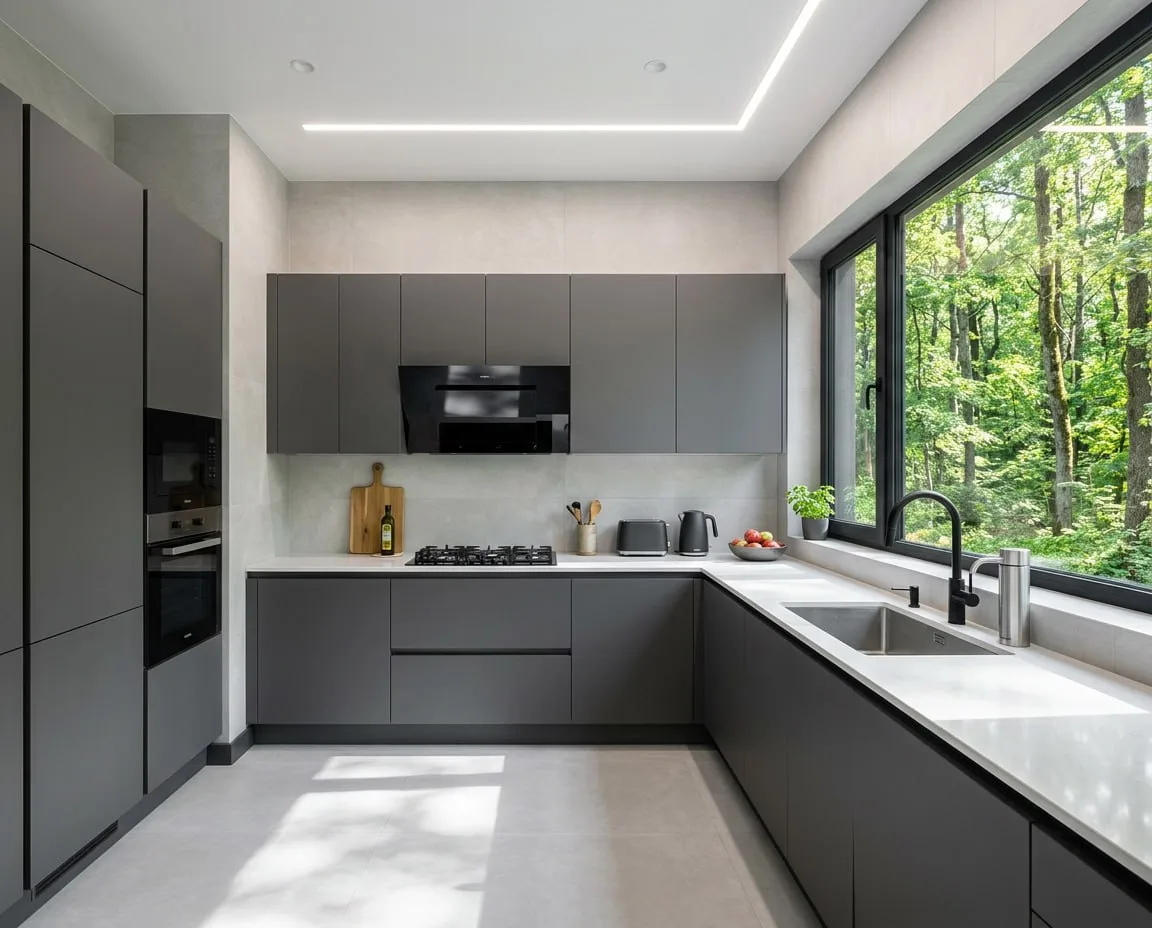
In short: In a Johor Bahru wet kitchen, aluminium carcass cabinets outperform plywood because they are non-porous and do not swell when exposed to constant steam and splash. Wood and moisture-graded plywood remain the better choice for dry kitchens and living-adjacent cabinetry, where warmth matters and moisture exposure is low. The most cost-effective approach for most terrace and condominium homes is a hybrid: aluminium in the wet zone, wood-look finishes in the dry zone, with the budget concentrated on visible door fronts rather than hidden internals.
Why wet kitchens in JB are different
Johor Bahru homes deal with heat, humidity, and heavy wok cooking. Steam penetrates corners that look fine on day one but fail years later if the wrong carcass is specified. A kitchen that would last two decades in a temperate climate can show swelling at the base panels within three years here.
Aluminium carcass: when we recommend it
- Constant steam and splash zones
- Families who deep-fry and wok-cook daily
- Ground-floor terrace kitchens prone to occasional flooding
- Long-term hygiene and easy wipe-down surfaces
Aluminium is non-porous and dimensionally stable when paired with quality hinges and sealed tops. It does not absorb water, so there is nothing for mould to feed on inside the carcass.
Trade-off: aluminium reads more utilitarian than timber. We usually pair an aluminium carcass with a laminate or acrylic door front so the finish does not give away the substrate.
Wood and plywood: where it still shines
- Dry kitchens and display zones
- Living-adjacent cabinetry where warmth matters
- Budget allocation toward visible door finishes
We use moisture-graded boards with sealed edges — not generic interior-grade panels. The distinction matters: a lot of quotes in the JB market say “plywood” without specifying grade, and the price difference is where corners get cut.
The smart mid-range strategy
Many Mount Austin and Bukit Indah projects mix aluminium wet zones with wood-look dry areas — premium appearance without paying premium materials where they are not needed.
A typical split for a double-storey terrace:
| Zone | Carcass | Door front |
|---|---|---|
| Wet kitchen | Aluminium | Laminate or acrylic |
| Dry kitchen | Moisture-graded plywood | Veneer or acrylic |
| Living / TV console | Plywood | Veneer |
Next step
Book an onsite measure and we will map zones to the right system with itemised pricing before fabrication. Once the carcass is settled, our guide to quartz versus sintered stone countertops covers the surface decision.